
This Body Fat Percentage Calculator estimates how much of your body weight is fat using the U.S. Navy body circumference method. It is based on height, waist, neck, and hip measurements, depending on the selected formula. The official U.S. Navy Body Composition Assessment guide uses circumference measurements for body composition screening and explains the measurement process here: U.S. Navy Body Composition Assessment Guide.


How to Use the Calculator
Select your measurement system, choose the formula type, and enter your height, weight, waist, neck, and hips if needed. Press Calculate Body Fat to get your estimated body fat percentage, fat mass, lean mass, and category.
What the Results Mean
Body fat percentage shows what portion of your total weight is fat. For example, 20% body fat means about one fifth of your body weight is fat mass.
Fat mass is the estimated weight of fat in your body. Lean mass includes muscle, bones, organs, water, and everything else that is not fat.
How to Measure Correctly
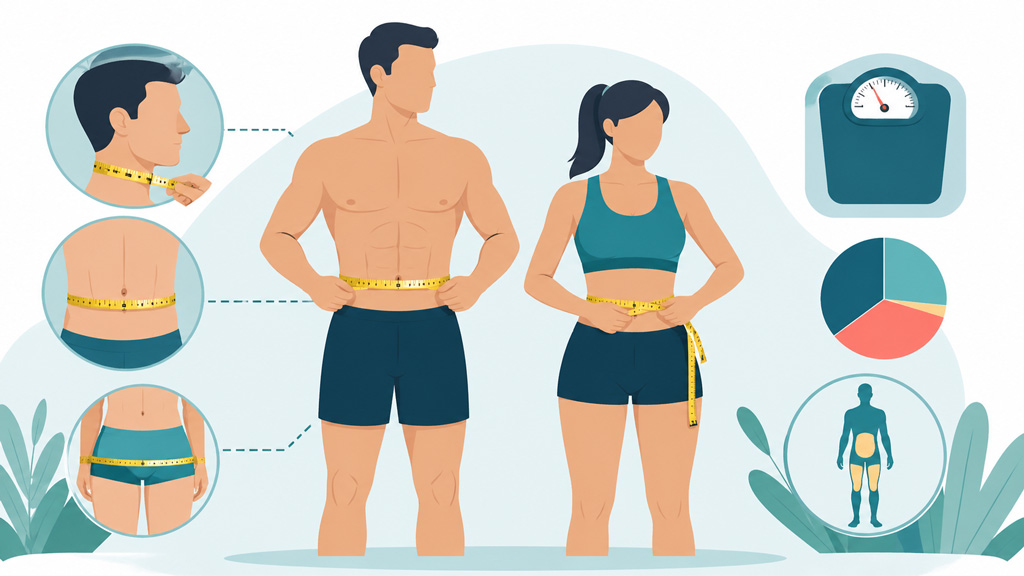
Use a soft measuring tape and keep it level around the body. Do not pull it so tight that it compresses the skin.
- Height: measure standing straight without shoes.
- Waist: for the male formula, measure around the abdomen at navel level. For the female formula, measure around the narrowest part of the waist.
- Neck: measure just below the larynx while relaxed.
- Hips: for the female formula, measure around the widest part of the hips and buttocks.
Body Fat Categories
Common body fat ranges are usually grouped as essential fat, athletes range, fitness range, average range, and high body fat range. These categories are useful for general fitness tracking, but they should not be treated as a medical diagnosis.
Why Body Fat Percentage Is Better Than BMI
BMI only compares height and weight. It does not know whether your weight comes from fat, muscle, bone, or water. Body fat percentage gives a more useful picture of body composition because it estimates fat mass directly from body measurements.
How Accurate Is This Calculator?
This calculator gives an estimate, not a lab result. Tape measurement accuracy depends on consistent placement, posture, hydration, and technique. For best results, measure the same way every time and track the trend over several weeks instead of focusing on one single result.
CalcuLife.com









Leave A Comment