

This normal distribution calculator helps you find probability, density, and z-scores from a bell-shaped distribution using the mean and standard deviation. It is based on the standard normal distribution used in statistics. For a trusted official reference, see the NIST/SEMATECH e-Handbook of Statistical Methods: NIST.
Use the calculator below to check the probability that a value is below a point, above a point, or between two values. You can also calculate the z-score of a value or the density at one exact point.


What this calculator does
The tool works with a normal distribution, also called a Gaussian distribution. You enter the mean, the standard deviation, and the value or range you want to test. The calculator then shows the result in a clear numeric form and explains what it means.
- Below a value: chance that X is smaller than a chosen value
- Above a value: chance that X is greater than a chosen value
- Between two values: chance that X falls inside a range
- Density: concentration of the curve at one point, not the probability of one exact value
- Z-score: how far a value is from the mean in standard deviations
How to use it
- Choose the type of calculation.
- Enter the mean.
- Enter the standard deviation.
- Enter one value, or two values for a range.
- Click Calculate.
How to read the result
A probability like 0.841345 means about 84.13%. A z-score of 1.5 means the value is 1.5 standard deviations above the mean. A negative z-score means the value is below the mean.
For density mode, the result is not the chance of one exact value. In a continuous distribution, probability comes from a range, not from a single point.
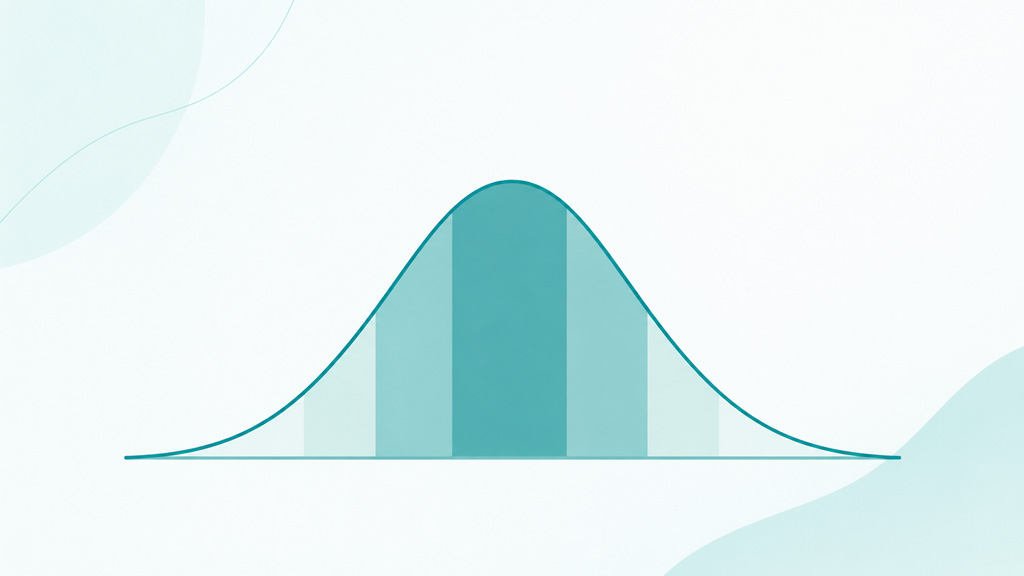
Normal vs Gaussian
There is no difference. Normal distribution and Gaussian distribution are two names for the same bell curve.
Where this is useful
This calculator is useful for statistics, exam scores, quality control, research, engineering, finance, and data analysis. It gives a fast way to understand how likely a value or range is under a normal distribution model.
This tool is reliable when your data can reasonably be modeled by a normal distribution. Not every real dataset follows a perfect bell curve, so results are best when the normal model fits your data well.
CalcuLife.com




Leave A Comment