

The gender test is an online questionnaire designed to analyze behavioral patterns, cognitive tendencies, and biological factors that are known in scientific research to correlate with sex based traits. It uses structured question groups that focus on measurable tendencies rather than opinions, which makes the results stable and reasonably reliable within the limits of a self assessment tool. The goal is to help users understand their traits and how they align with commonly documented male and female patterns in research.


How to use the test
Read each question carefully and select the answer that describes you most accurately. The test is divided into steps to make the experience simple and focused. When you finish all questions, the tool will calculate your result and show you a clear explanation along with the reasoning behind it. There are no right or wrong answers. Be honest for the most accurate outcome.
Understanding the science behind the test
This assessment is based on well known research areas such as cognitive profile studies, spatial reasoning differences, social behavior patterns, and personality trait distributions. These fields document statistically common tendencies in males and females that appear across cultures and age groups. While there is natural variation in every person, population level patterns allow structured comparisons that help shape the scoring model used in this tool.
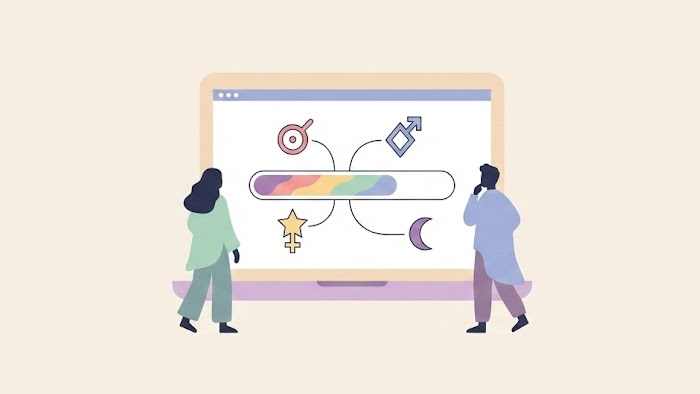
Why results may differ from your expectations
Humans are complex and not every trait aligns perfectly with a single profile. Some people have a mix of traits due to personality, upbringing, environment, or personal interests. A test cannot replace medical or clinical evaluation, but it can highlight which traits you express more strongly. Think of the result as a structured summary of how your answers match known patterns, not a strict definition of who you are.
Self acceptance and personal meaning
Regardless of the result you receive, remember that it reflects patterns, not worth or identity. Many people share traits that blend in different ways and that is completely normal. Embrace the strengths you have, appreciate the characteristics that make you unique, and take the result as an insight rather than a label. Your biological sex is stable from birth and your natural traits are part of who you are. Understanding them can help you feel more comfortable and confident in yourself.
Sources
Key scientific sources that inform this model include:
- Kimura, D. Sex differences in the brain
- Halpern, D. Cognitive abilities studies
- Archer, J. Sex differences in aggression in real world settings
- Lippa, R. Personality trait distributions
- Voyer, D. Magnitude of sex differences in spatial abilities
These works document consistent statistical patterns across large populations and form the scientific baseline used in this test.
Do you feel these results reflect your identity well? Share your thoughts in the comments!
CalcuLife.com









Leave A Comment