

This Body Surface Area Calculator estimates BSA from height and weight, using commonly cited medical formulas such as Mosteller, Du Bois, Haycock, and Gehan & George. Body surface area is used in healthcare as a body-size estimate, and the formulas in this tool are based on medical references such as the NIH/NCBI Bookshelf overview of Body Surface Area and clinical BSA calculator references such as the MSD Manual Du Bois BSA calculator.


What This BSA Calculator Does
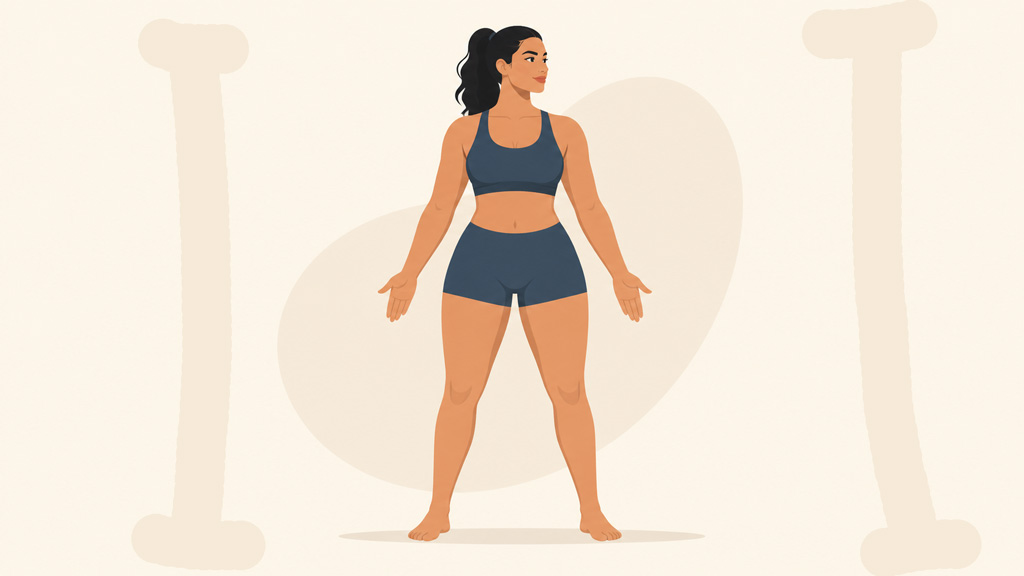
This tool estimates your body surface area, also called BSA. BSA is an estimated measurement of the outside surface area of the body. It is usually expressed in square meters, m², but this calculator also shows square feet, ft², when imperial units are selected.
The calculator accepts:
- Metric inputs: height in centimeters and weight in kilograms
- Imperial inputs: height in feet and inches, and weight in pounds
- Formula choice: Mosteller, Du Bois, Haycock, or Gehan & George
- Copy Results: copies the meaningful result, formula used, inputs, explanation, and page link
How to Use the Calculator
- Choose Metric or Imperial.
- Enter your height and weight.
- Leave the formula set to Mosteller for the simplest common estimate, or choose another formula for comparison.
- Press Calculate BSA.
- Review your estimated BSA and the equivalent value in the other unit system.
The result is an estimate, not a direct physical measurement. BSA is not a health score, and a higher or lower number does not automatically mean better or worse health. It mostly reflects body size, especially height and weight.
BSA Formulas Used in This Calculator
All formulas below use height in centimeters and weight in kilograms. If you enter imperial units, the calculator converts them internally before calculating BSA.
Mosteller Formula
BSA = √((height × weight) / 3600)
The Mosteller formula is the default choice because it is simple, widely used, and easy to understand. For most general users, this is the best starting option.
Du Bois and Du Bois Formula
BSA = 0.007184 × height0.725 × weight0.425
The Du Bois formula is one of the classic BSA equations. It is often used in clinical references and medical calculators. It may give a slightly different value than Mosteller because it weights height and body weight differently.
Haycock Formula
BSA = 0.024265 × height0.3964 × weight0.5378
The Haycock formula is often included in BSA comparisons and is commonly discussed for pediatric and broader body-size estimation. It may be useful when comparing formulas rather than relying on only one estimate.
Gehan and George Formula
BSA = 0.0235 × height0.42246 × weight0.51456
The Gehan and George formula is another established BSA equation. It is useful for comparison because it can produce slightly different results across body sizes.
Which BSA Formula Should You Use?
| Formula | Best use | What to know |
|---|---|---|
| Mosteller | General use and quick estimates | Simple, common, and usually the best default choice. |
| Du Bois | Clinical-style comparison | Classic formula used in many medical references. |
| Haycock | Comparison across different body sizes | Often discussed in broader and pediatric BSA contexts. |
| Gehan & George | Alternative comparison estimate | Another established formula that may differ slightly from the others. |
For most people using this page, Mosteller is the recommended default. The other formulas are useful when you want to compare estimates or match a specific reference that uses a different equation.
Table of Common Body Surface Area Values
The values below are approximate examples using the Mosteller formula. They are not health targets. They simply show how BSA often changes with body size.
| Example person | Height | Weight | Approx. BSA |
|---|---|---|---|
| Small child | 100 cm | 16 kg | 0.67 m² |
| Older child | 130 cm | 30 kg | 1.04 m² |
| Smaller adult | 155 cm | 50 kg | 1.47 m² |
| Average-size adult | 170 cm | 70 kg | 1.82 m² |
| Taller adult | 185 cm | 85 kg | 2.09 m² |
| Large adult | 195 cm | 105 kg | 2.38 m² |
| Very large adult | 200 cm | 120 kg | 2.58 m² |
Metric and Imperial Results
BSA is commonly reported in m² in medical contexts. However, if you choose imperial inputs, this calculator shows the main result in ft² first because that is easier for many U.S. users to understand. It also includes the m² equivalent because many medical references still use square meters.
Conversion used:
- 1 m² = 10.7639 ft²
- 1 inch = 2.54 cm
- 1 pound = 0.45359237 kg
What BSA Is Used For
Body surface area can be used in medical and physiology contexts because it sometimes relates better to body size than weight alone. It may appear in discussions of medication dosing, cardiac index, kidney function indexing, burn assessment, and other clinical calculations.
Important: this calculator is for general informational use only. Do not use it by itself to choose medication doses, diagnose a condition, or make treatment decisions. If BSA is being used for a medical purpose, follow the formula and instructions provided by a qualified healthcare professional.
BSA vs BMI
BSA and BMI are different measurements. BMI compares weight with height to estimate weight category. BSA estimates total body surface area from height and weight. BSA is not designed to classify someone as underweight, normal weight, overweight, or obese.
| Measurement | What it estimates | Main use |
|---|---|---|
| BSA | Estimated body surface area | Body-size related medical and physiology calculations |
| BMI | Weight relative to height | Weight category screening |
Frequently Asked Questions
What is a normal body surface area?
There is no single perfect BSA number. Adults often fall somewhere around 1.5 to 2.3 m², but this varies with height, weight, age, and body size. BSA should be interpreted as a body-size estimate, not as a health rating.
Why do different formulas give different BSA results?
Each formula was developed from different data and uses different mathematical weighting for height and weight. The differences are usually small for typical adults, but they can be more noticeable for children, very tall people, very small people, or people at body-size extremes.
Can I use this BSA result for medication dosing?
No. Do not use this calculator alone for medication dosing. Some treatments may use BSA, but dosing decisions must come from a qualified healthcare professional using the correct medical protocol.
Which formula should I choose?
For general use, choose Mosteller. Choose another formula only if you want comparison values or if a specific reference tells you to use that equation.
CalcuLife.com







Leave A Comment